

How does a 120w LED street light affect wildlife?
Sep 25, 2025
As a supplier of 120w LED street lights, I often get asked about the impact of these powerful lighting solutions on wildlife. In this blog, I'll delve into the scientific aspects of how a 120w LED street light can affect various forms of wildlife, from insects to birds and mammals.
Impact on Insects
Insects are highly sensitive to light, and artificial lighting can have a profound impact on their behavior and survival. A 120w LED street light emits a significant amount of light, which can attract insects from a wide area. This phenomenon is known as phototaxis, where insects are drawn towards light sources.
The attraction of insects to LED street lights can disrupt their natural behavior patterns. For example, many nocturnal insects rely on the moon and stars for navigation. The bright light from a 120w LED street light can confuse them, leading them to fly in circles around the light source instead of following their normal flight paths. This not only wastes their energy but also exposes them to predators.
Moreover, the increased presence of insects around street lights can have a cascading effect on the ecosystem. Insects are an important food source for many other animals, such as birds and bats. When insects are concentrated around street lights, they become easier targets for predators, which can disrupt the natural balance of the food chain.
Impact on Birds
Birds are also affected by artificial lighting, especially during their migration periods. Many bird species migrate at night, using the stars and the Earth's magnetic field for navigation. The bright light from a 120w LED street light can interfere with their navigation systems, causing them to become disoriented and lost.
In addition to navigation problems, artificial lighting can also disrupt the sleep patterns of birds. Birds need darkness to rest and recover, and the constant presence of light can prevent them from getting enough sleep. This can lead to fatigue, reduced immune function, and even death in some cases.
Some bird species are also attracted to light sources, similar to insects. This can be particularly dangerous during migration, as birds may collide with buildings or other structures while trying to reach the light. The bright light from a 120w LED street light can make these collisions more likely, especially in urban areas where there are many tall buildings.
Impact on Mammals
Mammals, too, can be affected by artificial lighting. Many nocturnal mammals, such as raccoons, opossums, and foxes, rely on darkness to hunt, forage, and avoid predators. The bright light from a 120w LED street light can disrupt their natural behavior patterns, making it more difficult for them to find food and shelter.
In addition, artificial lighting can also affect the reproductive cycles of some mammals. For example, some species of bats use the natural light cycle to regulate their breeding seasons. The constant presence of light can disrupt this cycle, leading to reduced fertility and population decline.

Some mammals may also be attracted to light sources, which can put them at risk of being hit by vehicles or attacked by predators. The bright light from a 120w LED street light can make it easier for predators to spot their prey, increasing the risk of predation.
Mitigating the Impact
While the impact of 120w LED street lights on wildlife is a concern, there are several measures that can be taken to mitigate these effects. One approach is to use lighting fixtures that are designed to minimize light pollution. For example, shielded fixtures can direct the light downward, reducing the amount of light that spills into the surrounding environment.
Another approach is to use lights with a warmer color temperature. Cooler white lights, which are commonly used in LED street lights, tend to be more attractive to insects and can have a greater impact on wildlife. By using warmer white lights, the attraction of insects can be reduced, while still providing adequate illumination for safety and visibility.
Timing is also an important factor. By using motion sensors or timers, street lights can be programmed to turn on only when needed, reducing the amount of time that they are illuminated. This can help to minimize the impact on wildlife while still providing the necessary lighting for public safety.
Our Products and Solutions
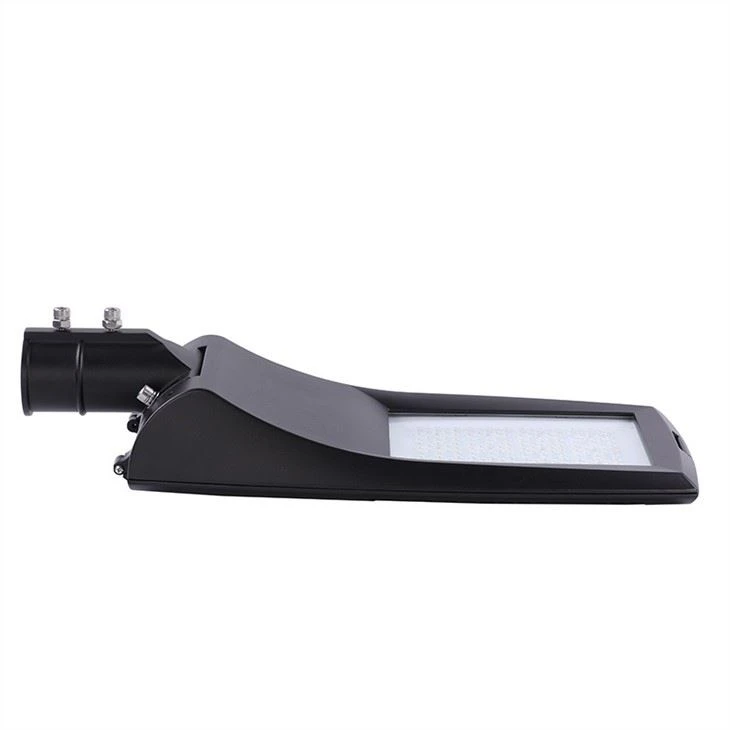
As a supplier of 120w LED street lights, we are committed to providing high-quality lighting solutions that are both energy-efficient and wildlife-friendly. Our products are designed to minimize light pollution and reduce the impact on wildlife, while still providing excellent illumination for streets, roads, and public areas.
In addition to our 120w LED street lights, we also offer a range of other lighting products, including High Lumen 30w LED Street Light, Outdoor LED Street Light, and LED Outdoor Garden Light. These products are designed to meet the specific needs of different applications, while still maintaining our commitment to energy efficiency and wildlife protection.
Conclusion
In conclusion, a 120w LED street light can have a significant impact on wildlife, from insects to birds and mammals. However, by taking appropriate measures to mitigate these effects, such as using shielded fixtures, warmer color temperatures, and timing controls, the impact can be minimized.
As a supplier of LED street lights, we are dedicated to providing innovative solutions that balance the need for public safety and illumination with the protection of wildlife. If you are interested in learning more about our products or would like to discuss your lighting needs, please feel free to contact us. We look forward to working with you to create a more sustainable and wildlife-friendly lighting environment.
References
- Longcore, T., & Rich, C. (2004). Ecological light pollution. Frontiers in Ecology and the Environment, 2(4), 191-198.
- Gaston, K. J., Davies, T. W., Bennie, J., & Hopkins, J. (2012). Biological impacts of artificial night lighting: a review. Journal of Applied Ecology, 49(2), 271-282.
- BirdLife International. (2017). Light pollution and birds. Retrieved from https://www.birdlife.org/worldwide/news/light-pollution-and-birds
- National Park Service. (2019). Effects of light pollution on wildlife. Retrieved from https://www.nps.gov/articles/effects-of-light-pollution-on-wildlife.htm