


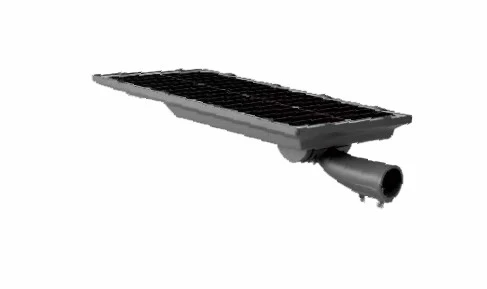

Waterproof IP66 All-in-One Solar Street Light
Waterproof IP66 All-in-One Solar Street Light is an integrated outdoor lighting system that combines solar energy generation, energy storage, lighting, and control into one unit. In real engineering projects, this system is not selected as a product. It is selected as a long-term infrastructure decision.
Waterproof IP66 All-in-One Solar Street Light Engineering Decision System for Municipal, Commercial and Off-Grid Projects
Waterproof IP66 All-in-One Solar Street Light is an integrated outdoor lighting system that combines solar energy generation, energy storage, lighting, and control into one unit.
In real engineering projects, this system is not selected as a product. It is selected as a long-term infrastructure decision.
Why Solar Projects Fail
Battery Under-Design (Most Common Failure)
Battery capacity is critical to solar street light performance. An undersized battery may work initially but often struggles during rainy weather or winter months when solar charging is reduced.
Solar Panel Under-Performance
A solar street light requires a properly sized solar panel to maintain battery charge. If the panel is too small, the battery may not fully recharge each day.
Wrong System Sizing for Road Conditions
Solar street light design should match road width, pole height, and installation spacing. Incorrect system sizing can affect lighting coverage and uniformity.
Environmental Mismatch
Different environments create different challenges. Coastal salt, high humidity, and intense UV exposure can accelerate material aging if the system is not designed for local conditions.
Installation Mistakes
Proper installation is essential for reliable solar street lighting. Shading, incorrect orientation, and unsuitable pole spacing can reduce charging efficiency.
System Engineering Logic
Solar Irradiation Analysis
Solar street light systems should be designed according to local sunlight conditions. Regions with lower solar radiation require larger solar panels and battery capacity.
Road Geometry Design
Road width, pole height, and pole spacing directly affect light distribution. Proper design helps achieve consistent illumination and better roadway visibility.
Daily Operating Hours
Lighting duration determines battery and solar panel requirements. Longer operating hours require greater energy storage capacity.
Backup Day Requirement
Battery autonomy should match local weather conditions. Areas with frequent cloudy days often require longer backup capability.
Maintenance Accessibility
Remote locations require low-maintenance solar street lights with durable components and long service life.
Total Cost of Ownership
Looking Beyond Product Price
The true cost of a solar street light project includes installation, maintenance, energy consumption, and future replacement costs.
Traditional vs Solar Street Lighting
Traditional street lights require cables, trenching, and electricity. Solar street lights eliminate these infrastructure costs and reduce long-term operating expenses.
Battery Engineering
Why LiFePO4 Batteries Matter
LiFePO4 batteries are widely used in solar street lights because they offer long cycle life, thermal stability, and improved safety.
Battery Autonomy Design
Battery capacity should be selected according to lighting power, operating hours, and local climate conditions.
IP66 Waterproof Engineering
Why IP66 Protection Is Important
Outdoor solar street lights are exposed to rain, dust, humidity, and temperature changes. IP66 protection helps prevent environmental damage.
Advanced Waterproof Design
A sealed housing, waterproof connectors, and corrosion-resistant materials help protect internal components from harsh weather conditions.
Product Architecture
Solar Panel
The solar panel converts sunlight into electrical energy and supplies power to the entire lighting system.
Battery System
The battery stores solar energy for nighttime operation and cloudy weather conditions.
LED Module
The LED module provides high-efficiency illumination while minimizing energy consumption.
Intelligent Controller
The controller manages charging, discharging, and lighting schedules automatically.
Durable Housing
The housing protects critical components and improves heat dissipation in outdoor environments.
Application Engineering
Municipal Infrastructure
Solar street lights are widely used for city roads, village roads, and public infrastructure projects.
Residential Communities
Community roads and pedestrian areas benefit from reliable solar lighting and reduced electricity expenses.
Industrial Zones
Industrial facilities require durable lighting systems that can operate continuously in demanding environments.
Off-Grid Areas
Solar street lights provide an independent lighting solution where grid electricity is unavailable or costly.
Coastal and Desert Regions
Specialized designs help withstand salt corrosion, strong UV exposure, and extreme weather conditions.
How Engineers Select a Solar Street Light System
Analyze Project Location
Local weather and solar radiation data determine energy generation requirements.
Evaluate Road Conditions
Road width, pole height, and pole spacing affect lighting design and system selection.
Define Lighting Requirements
Required lux levels and operating hours determine the appropriate system configuration.
Determine Backup Days
Battery autonomy should be based on local weather patterns and project expectations.
Configure the System
Solar panel size, battery capacity, and LED output should work together as one balanced system.
Manufacturing & Quality System
Standardized Production Process
Each solar street light is manufactured through controlled processes, including housing production, assembly, battery integration, and calibration.
Pre-Shipment Inspection
Every unit undergoes inspection before shipment to verify functionality and performance.
Quality Testing
Waterproof Testing
Products are tested to verify resistance against rain and outdoor environmental conditions.
Battery Performance Testing
Battery charging and discharging cycles are tested to ensure stable operation.
Aging and Thermal Testing
Long-term operation and temperature resistance are evaluated before shipment.
Functional Testing
Each system is checked to ensure all components operate correctly together.
Project Case Results
Middle East Road Project
500 solar street lights were installed for municipal road lighting. The project eliminated trenching work and reduced installation time.
Europe Community Project
300 units were deployed in a residential community. The project reduced dependence on grid electricity and lowered operating costs.
Africa Rural Project
1,000 units were installed in off-grid areas, providing stable and reliable lighting without electrical infrastructure.
FAQ
Hot Tags: waterproof ip66 all-in-one solar street light, China waterproof ip66 all-in-one solar street light manufacturers, suppliers, factory, 150W IoT Enabled Smart Street Light with 7 Pin NEMA Socket, 4000K Neutral White Streamlined Urban Roadway Luminaire, 60mm Spigot Entry Flexible Tilt Die Cast LED Street Light, Flexible Joint Die Cast Outdoor Roadway LED Luminaire, Toolless Entry Maintenance Modular LED Street Luminaire, urban sprawl lighting


Send Inquiry
